

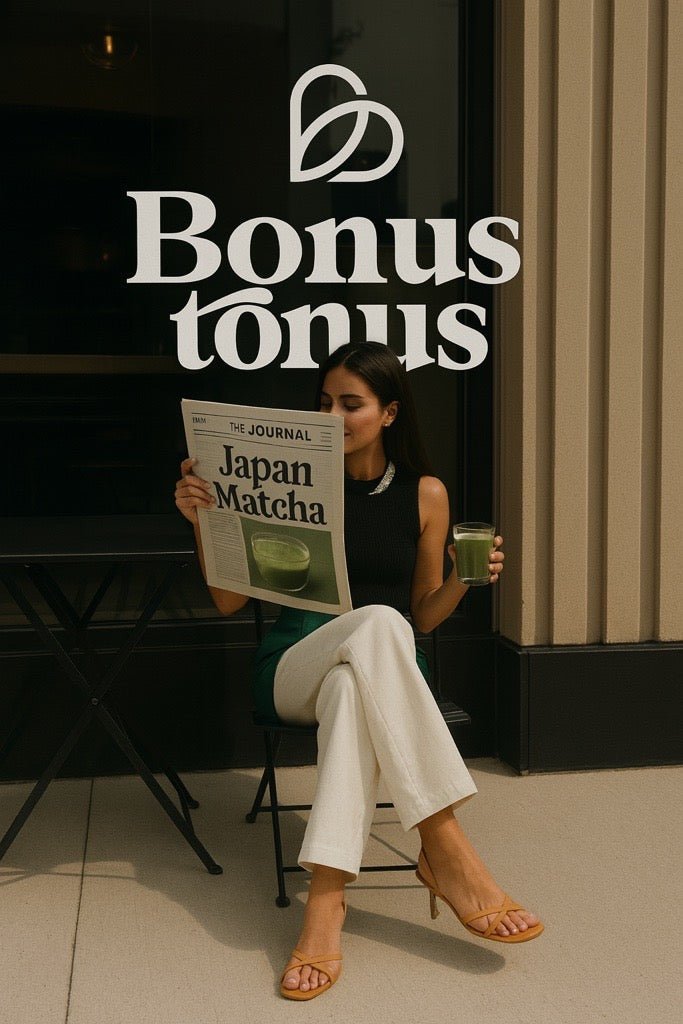
Real or Fake? 5 Ways to Identify True Ceremonial Matcha
First - COLOR High-quality matcha is a bright, vibrant green. Like spring grass. This bright green hue indicates a high concentration of polyphenols and catechins – powerful antioxidants that help fight free radicals, eliminate toxins, and reduce oxidative stress in the body. If the color is yellowish or pale, it's old, oxidized powder with almost no beneficial properties left.

Second - TEXTURE. It should be silky smooth. If it's coarse or grainy, it's not first-harvest tea.

Third - FROTHING FACTOR Highest quality matcha froths easily. Just a few quick whisking motions, and you'll get a thick, creamy layer of foam. If foam doesn't form, it's a sign that the tea is low quality or old. Foam is important not only for aesthetics – it indicates purity, proper processing, and freshness.

Fourth - GRADING. True high-quality matcha is graded 6A, 5A, or 4A. The higher the number, the higher the grade. "Ceremonial" sounds impressive, but it doesn't guarantee quality.

Fifth - ORIGIN. The best matcha in the world is produced only in Japan: Uji (Kyoto), Kagoshima, and Shizuoka – the true capitals of matcha.

Matcha – not just color and taste. True, fresh matcha provides what you're looking for: umami flavor, calm energy, antioxidants, focus, glowing skin.
Choose wisely. Choose real. Bonus Tonus.
Bendrinti:
Matcha has much more than just a sweet taste.
Coffee or matcha? Which is better for you?